Therapeutic resources and worksheets
Welcome to my curated collection of self-guided workbooks and handouts designed to support healing from trauma. Whether you are currently in counseling with me or seeking grounding tools before taking the first step, these resources offer structured, compassionate guidance for your journey.
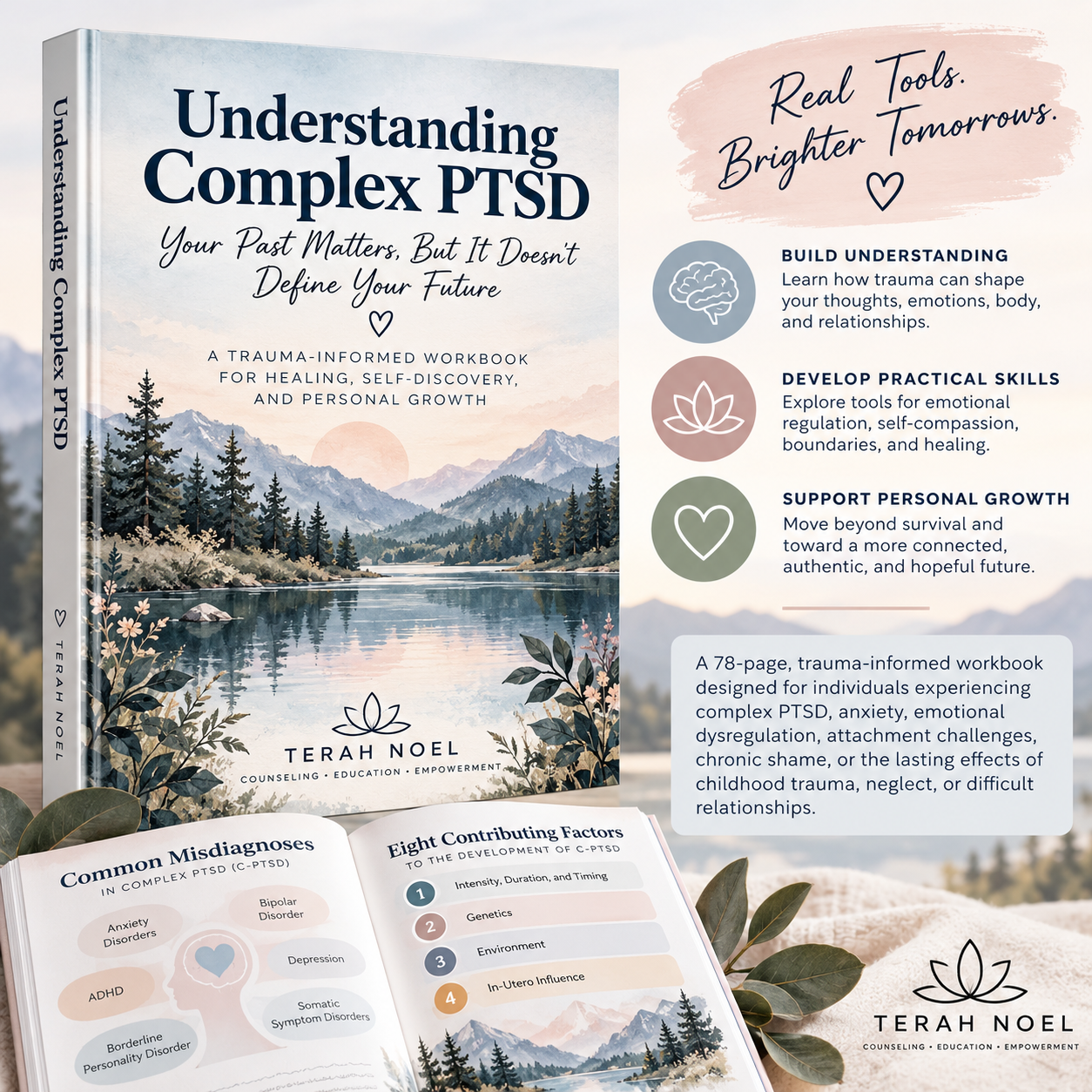
CPTSD Workbook
Understanding Complex PTSD
Your Past Matters, But It Doesn't Define Your Future
This 78-page, trauma-informed workbook helps individuals understand the lasting effects of childhood trauma, emotional neglect, and difficult relationships. Combining psychological education, guided self-reflection, somatic exercises, and practical coping strategies, it offers tools for developing emotional awareness, self-compassion, healthier relationships, and resilience.
Who Can Benefit?
Designed for individuals experiencing complex PTSD, anxiety, emotional dysregulation, chronic shame, attachment difficulties, or struggles with self-worth. It can also benefit survivors of abuse, neglect, coercive control, and other prolonged traumatic experiences.
How It Helps
Readers explore how trauma shapes their thoughts, emotions, bodies, and relationships while learning practical strategies for nervous system regulation, healthy boundaries, emotional healing, and personal growth. Ideal for individual self-exploration or as a companion to trauma-informed therapy.
Copy and paste this link to download: https://drive.google.com/file/d/1Lzxp3hYnX_LRnySfPyHllv3p6koB2SHH/view?usp=sharing
When you are ready to take the next step in your healing journey, reach out directly to schedule a therapy session by emailing terah@hopetherapy.life.
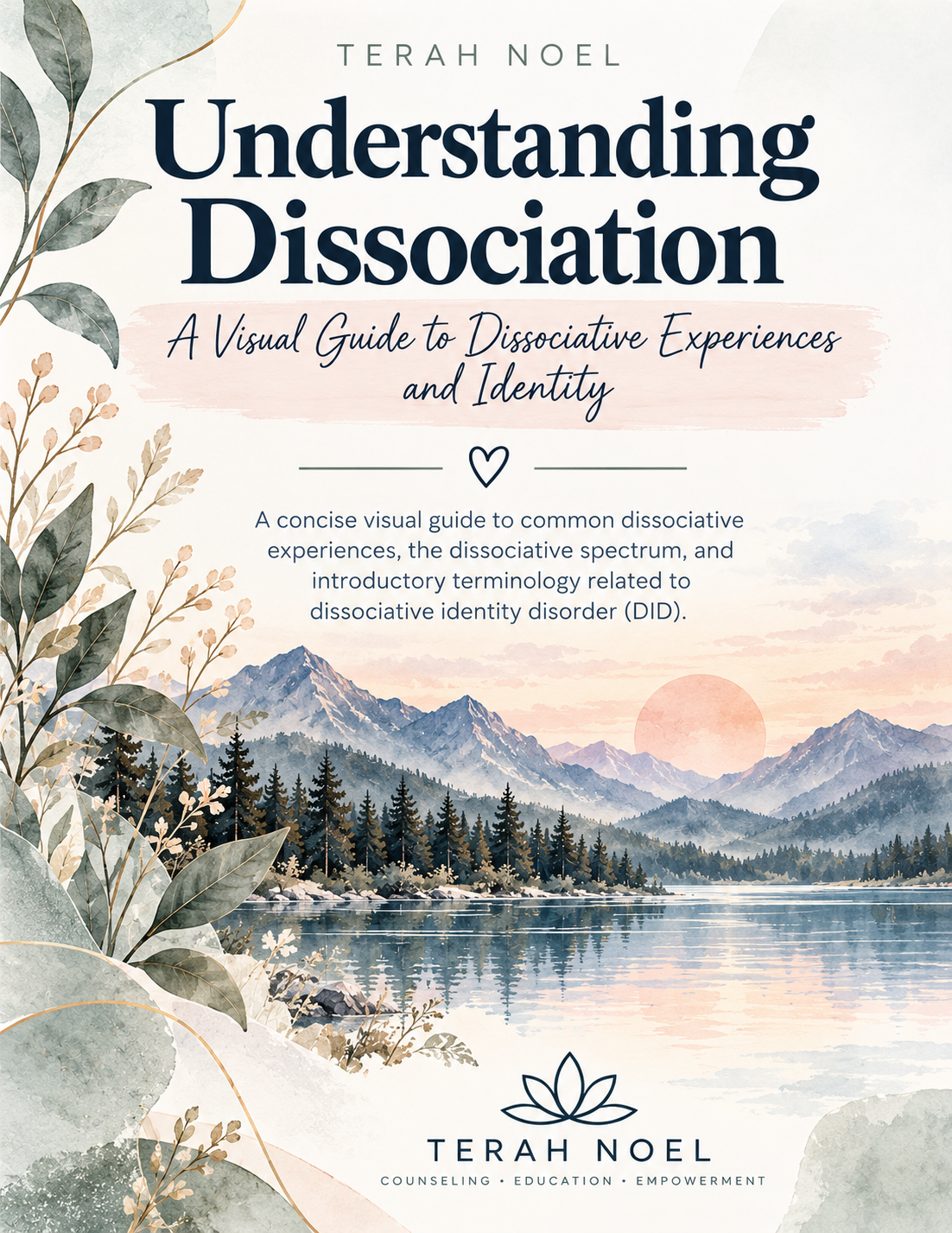
DISSOCIATION WORKBOOK
Understanding Dissociation
A Visual Guide to Dissociative Experiences and Identity
This 3-page, trauma-informed educational guide helps individuals understand dissociation and how it can affect memory, emotions, body awareness, and sense of identity. Through accessible explanations and visual references, it explores common dissociative experiences, the dissociative spectrum, and introductory concepts related to dissociative identity disorder (DID).
Who Can Benefit?
Designed for individuals experiencing emotional numbness, memory gaps, depersonalization, derealization, or feelings of disconnection from themselves or their surroundings. It may also benefit individuals exploring complex PTSD, dissociative disorders, or trauma-related symptoms, as well as mental health professionals seeking accessible psychoeducational resources.
How It Helps
Readers learn to recognize and better understand dissociative experiences, explore different presentations of dissociation, and become familiar with terminology related to DID and structural dissociation. The guide encourages greater self-awareness, reduces confusion, and provides a foundation for meaningful conversations in therapy.
A Gentle Note About Your Well-Being
Exploring dissociation and trauma-related experiences can sometimes bring up unexpected emotions or discomfort. You are encouraged to move at your own pace, take breaks when needed, and seek support from a qualified mental health professional if difficult feelings arise. This guide is intended for education and self-understanding and is not a substitute for professional assessment, diagnosis, or treatment. Your comfort, safety, and emotional well-being always come first.
Terah Noel | Counseling • Education • Empowerment
Real Tools. Brighter Tomorrows. When you are ready to take the next step in your healing journey, reach out directly to schedule a therapy session by emailing terah@hopetherapy.life.
Download here: https://drive.google.com/file/d/1ud7MWrBSCaYkE9xsDx8CfOech34L2MI8/view?usp=sharing
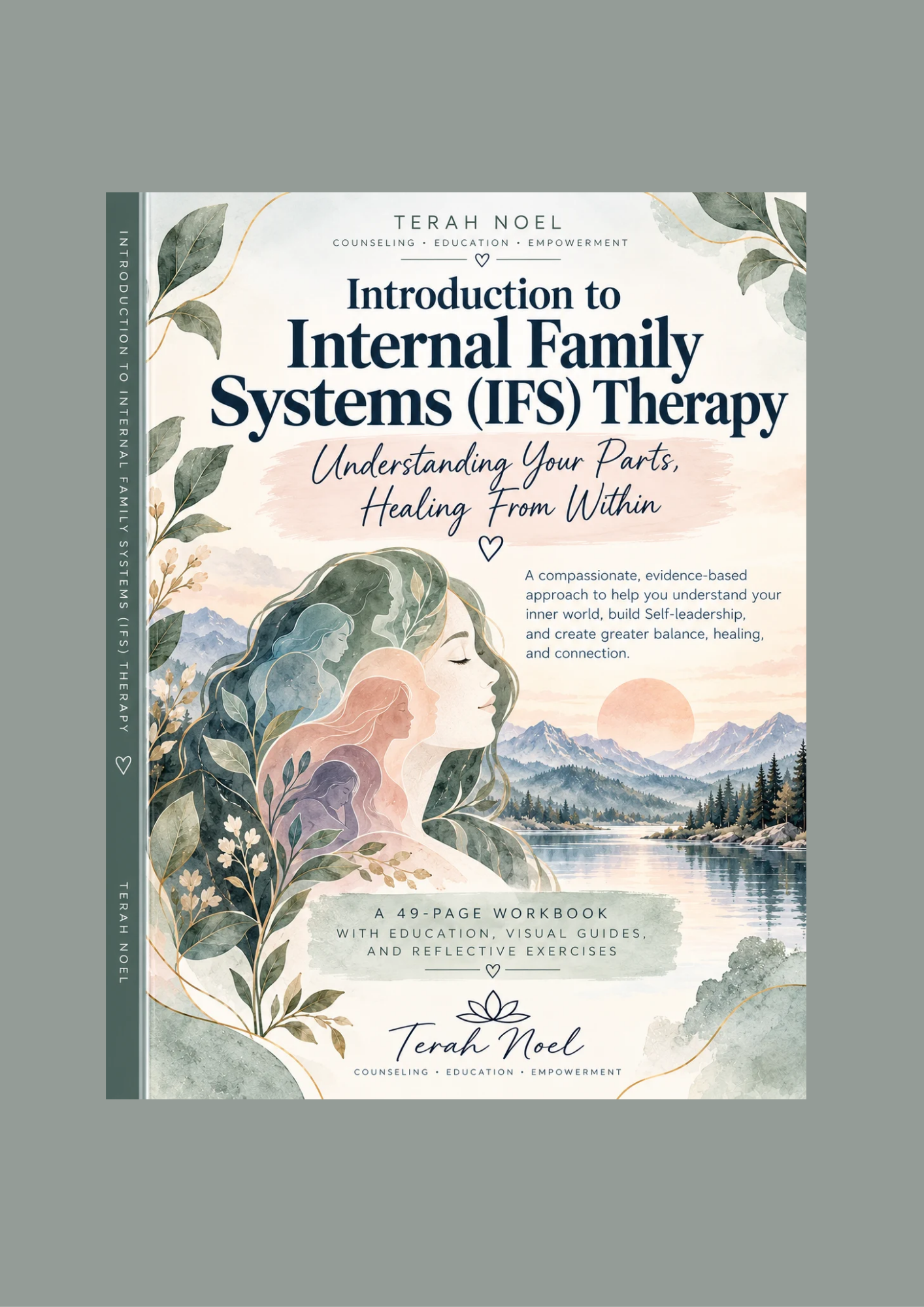
IFS Workbook
Introduction to Internal Family Systems (IFS) Therapy
Understanding Your Parts, Healing From Within
This 49-page, trauma-informed workbook introduces Internal Family Systems (IFS), a compassionate therapeutic approach that helps individuals understand their inner world, recognize protective patterns, and develop greater self-awareness. Through accessible explanations, visual guides, and interactive worksheets, readers explore their different internal parts, develop Self-leadership, and learn practical strategies for emotional healing and personal growth.
Who Can Benefit?
Designed for individuals experiencing complex PTSD, anxiety, emotional dysregulation, inner conflict, self-criticism, perfectionism, or difficulties with self-worth. It may also benefit survivors of childhood trauma, emotional neglect, and difficult relationships, as well as individuals seeking greater self-understanding and mental health professionals incorporating IFS concepts into therapy.
How It Helps
Readers learn to identify and understand their protective and vulnerable parts, recognize emotional triggers, explore internal conflicts, and build compassionate relationships with themselves. Guided exercises introduce parts mapping, the 8 C's of Self, the 6 F's of parts exploration, grounding techniques, and the processes of unburdening and integration.
A Gentle Note About Your Well-Being
Exploring your inner world can sometimes bring up difficult emotions or memories. Move at your own pace, take breaks when needed, and remember that healing does not require rushing or forcing painful experiences. Deeper trauma-processing exercises are best explored with a qualified mental health professional. This workbook is intended for education and self-reflection and is not a substitute for professional assessment or treatment.
Terah Noel | Counseling • Education • Empowerment
Real Tools. Brighter Tomorrows.
When you are ready to take the next step in your healing journey, reach out directly to schedule a therapy session by emailing terah@hopetherapy.life.
Download here: https://drive.google.com/file/d/1BrSAWuYD8iXvNlMCT0uSwGUxItz-d07n/view?usp=sharing
More Workbooks
Terah Noel | Counseling • Education • Empowerment
A Gentle Note About Your Well-Being
Learning about nervous system responses can sometimes bring awareness to uncomfortable emotions or physical sensations. Move at your own pace, take breaks when needed, and choose practices that feel safe and manageable. This guide is intended for education and self-reflection and is not a substitute for professional mental health care.
When you are ready to take the next step in your healing journey, reach out directly to schedule a therapy session by emailing terah@hopetherapy.life.

Window of Tolerance
A Visual Guide to Understanding and Regulating Your Nervous System
This 3-page, trauma-informed educational guide helps individuals understand how their nervous system responds to stress, anxiety, and overwhelming experiences. Through engaging illustrations, accessible explanations, and practical exercises, it explores hyperarousal (fight-or-flight), hypoarousal (freeze or shutdown), and the Window of Tolerance—the state in which we are better able to manage emotions, think clearly, and connect with others.
Who Can Benefit?
Designed for individuals experiencing anxiety, chronic stress, complex PTSD, emotional dysregulation, panic, overwhelm, or emotional numbness. It may also benefit trauma survivors, individuals who struggle to recognize their body's stress responses, and mental health professionals seeking accessible psychoeducational resources.
How It Helps
Readers learn to identify nervous system activation and shutdown, recognize personal triggers and early warning signs, and explore practical techniques for returning to their Window of Tolerance. The guide introduces grounding, breathing, sensory awareness, and other regulation strategies to support emotional balance, self-awareness, and resilience.
Link to download: https://drive.google.com/file/d/1NUQpEQ0CEVZMQs6sBY4VdSRGAJu624LI/view?usp=sharing

Understanding Rejection Sensitive Dysphoria (RSD)
A Compassionate Guide to Emotional Sensitivity, Self-Awareness & Healing
This 13-page, trauma-informed educational workbook helps individuals understand Rejection Sensitive Dysphoria (RSD) and how intense emotional reactions to perceived rejection, criticism, or disapproval can affect self-esteem, relationships, and everyday life. Through engaging illustrations, accessible explanations, and interactive worksheets, readers explore emotional triggers, protective patterns, and practical strategies for developing greater emotional resilience and self-compassion.
Who Can Benefit?
Designed for individuals experiencing ADHD, heightened rejection sensitivity, emotional dysregulation, anxiety, low self-esteem, or difficulty navigating criticism and interpersonal relationships. It may also benefit individuals with histories of childhood trauma, emotional neglect, or attachment difficulties, as well as mental health professionals seeking accessible psychoeducational resources.
How It Helps
Readers learn to recognize RSD triggers, understand emotional and physical responses, challenge negative self-beliefs, and develop healthier coping strategies. The workbook explores how rejection sensitivity can affect relationships, careers, self-worth, and the inner child while introducing Internal Family Systems (IFS) concepts, grounding techniques, self-compassion exercises, and guided journaling activities.
Link to download: https://drive.google.com/file/d/1NATL8XnowL12mD_-gM2c6npfOdWeP_g0/view?usp=sharing

Calming the Vagus Nerve
A Gentle Guide to Nervous System Regulation, Emotional Balance & Healing
This 21-page, trauma-informed workbook helps individuals understand the vagus nerve and its role in the body's stress response, emotional regulation, and mind-body connection. Through engaging illustrations, accessible explanations, guided self-reflection, and practical exercises, readers explore gentle ways to support their nervous system and develop greater awareness, calm, and resilience.
Who Can Benefit?
Designed for individuals experiencing anxiety, chronic stress, complex PTSD, emotional dysregulation, overwhelm, burnout, or difficulty relaxing. It may also benefit trauma survivors, individuals experiencing stress-related physical symptoms, and mental health professionals seeking accessible somatic and psychoeducational resources.
How It Helps
Readers learn to recognize signs of nervous system dysregulation, understand the connection between the brain, body, and vagus nerve, and explore practical techniques for supporting emotional regulation. The workbook introduces breathing exercises, gentle movement, grounding, humming, self-soothing practices, affirmations, and guided reflection. Interactive worksheets help readers identify personal triggers, monitor their responses, and create individualized calming routines.
Link to download: https://drive.google.com/file/d/1XNLpdz0xYw43wjN20ZMNkVz25eJkhMl7/view?usp=sharing
Real Tools. Brighter Tomorrows.

Managing Shame and Guilt
A Compassionate Guide to Self-Worth, Emotional Healing & Personal Growth
This 9-page, trauma-informed workbook helps individuals understand the difference between shame and guilt, recognize harmful self-beliefs, and explore how past experiences shape their sense of self-worth. Through accessible explanations, guided reflections, and interactive worksheets, readers develop greater self-awareness, self-compassion, and healthier ways of responding to difficult emotions.
Who Can Benefit?
Designed for individuals struggling with chronic shame, excessive guilt, perfectionism, low self-esteem, self-criticism, or feelings of inadequacy. It may be particularly helpful for survivors of childhood trauma, emotional neglect, abusive relationships, religious trauma, or shame-based family environments, as well as mental health professionals seeking therapeutic resources.
How It Helps
Readers learn to identify shame-based beliefs, explore their origins, recognize emotional triggers, and challenge negative self-perceptions. Drawing on concepts of shame resilience and self-worth, the workbook introduces practical strategies for self-forgiveness, healthy accountability, emotional healing, and building a more compassionate relationship with oneself.
Link to download: https://drive.google.com/file/d/1zbfaw4D0eOY6pOhHoFElyjB6CzInvpe1/view?usp=sharing
Additional Workbooks from Terah Noel Therapy
Terah Noel | Counseling • Education • Empowerment
A Gentle Note About Your Well-Being
Learning about nervous system responses can sometimes bring awareness to uncomfortable emotions or physical sensations. Move at your own pace, take breaks when needed, and choose practices that feel safe and manageable. This guide is intended for education and self-reflection and is not a substitute for professional mental health care.
When you are ready to take the next step in your healing journey, reach out directly to schedule a therapy session by emailing terah@hopetherapy.life.

Coping Skills Toolkit
Practical Tools for a Calmer, Stronger You
This 16-page, trauma-informed workbook introduces practical coping strategies designed to reduce stress, support emotional regulation, and strengthen the mind-body connection. Through beautifully illustrated, step-by-step instructions, readers explore calming techniques, somatic exercises, breathing practices, and grounding strategies that encourage relaxation, emotional balance, and greater self-awareness.
Who Can Benefit?
Designed for individuals experiencing anxiety, chronic stress, complex PTSD, emotional dysregulation, overwhelm, or difficulty relaxing. It may also benefit trauma survivors, individuals seeking healthier coping strategies, and mental health professionals looking for accessible therapeutic resources to support their clients.
How It Helps
Readers learn practical techniques for calming their nervous system, releasing physical tension, managing overwhelming emotions, and reconnecting with the present moment. The toolkit includes the Butterfly Hug, box breathing, five-finger breathing, rainbow breathing, body scans, visualization, seated Tai Chi, nature anchoring, and other gentle self-soothing practices. Clear illustrations and simple instructions make these techniques easy to learn and incorporate into everyday life.
Workbook link: https://drive.google.com/file/d/1yOyMSPpHCq_Dw1jJ-muenAA5cZ5HcKsB/view?usp=sharing

Dialectical Behavior Therapy (DBT) Workbook
Practical Skills for a More Balanced Life
This comprehensive 94-page, trauma-informed workbook introduces practical Dialectical Behavior Therapy (DBT) skills designed to help individuals manage overwhelming emotions, navigate difficult situations, and develop healthier coping strategies. Through accessible explanations, illustrated exercises, guided reflections, and interactive worksheets, readers explore mindfulness, distress tolerance, emotional regulation, and strategies for creating a more balanced, fulfilling life.
Who Can Benefit?
Designed for individuals experiencing anxiety, depression, complex PTSD, emotional dysregulation, impulsivity, relationship difficulties, or patterns of self-destructive coping. It may be especially helpful for those struggling with intense emotions, chronic stress, negative self-talk, or difficulty tolerating distress. Mental health professionals may also find it useful as a supplemental therapeutic resource.
How It Helps
Readers learn to recognize emotional triggers, practice radical acceptance, develop healthier coping responses, and respond more effectively to stressful situations. The workbook includes mindfulness exercises, Wise Mind practices, self-soothing techniques, emotional awareness worksheets, values exploration, coping plans, and strategies for replacing harmful behaviors with healthier alternatives.
Click to download: https://drive.google.com/file/d/1nJ5OUB4UZ4vwAwJXY7YB0oqISIb43gaP/view?usp=sharing

Understanding ADHD
Practical Tools for Focus, Organization & Everyday Success
This trauma-informed educational workbook helps individuals better understand Attention-Deficit/Hyperactivity Disorder (ADHD) and develop practical strategies for navigating everyday challenges. Through accessible explanations, engaging illustrations, and supportive guidance, readers explore how ADHD affects attention, organization, emotional regulation, motivation, and daily functioning while recognizing the unique strengths that often accompany neurodivergent thinking.
Who Can Benefit?
Designed for children, teens, and adults experiencing ADHD-related challenges, including distractibility, forgetfulness, impulsivity, restlessness, difficulty completing tasks, and struggles with organization or time management. It may also benefit parents, caregivers, educators, partners, and mental health professionals seeking practical ways to understand and support individuals with ADHD.
How It Helps
Readers learn strategies for improving focus, breaking overwhelming tasks into manageable steps, establishing flexible routines, reducing distractions, and building confidence. The workbook emphasizes strengths-based approaches, positive reinforcement, supportive communication, and practical accommodations that encourage independence and everyday success. It also explores how medication, therapy, lifestyle adjustments, and educational support can contribute to effective ADHD management.
Link to download: https://drive.google.com/file/d/1h1IX-88zgFO7kvf6QPC5LljKstUb-nr6/view?usp=sharing

Self-Care & Mental Wellbeing Workbook
Practical Tools for a Healthier, Happier You
This 18-page, trauma-informed workbook helps individuals recognize their emotional, physical, and mental health needs while developing meaningful, sustainable self-care practices. Through gentle guidance, self-care inventories, interactive worksheets, and guided reflection, readers explore ways to reduce stress, prevent burnout, establish healthy boundaries, and create a more balanced, fulfilling life.
Who Can Benefit?
Designed for individuals experiencing anxiety, depression, chronic stress, emotional exhaustion, burnout, or difficulty prioritizing their own needs. It may be especially helpful for caregivers, helping professionals, trauma survivors, people navigating major life transitions, and anyone who struggles with setting boundaries or making time for themselves. Mental health professionals may also find it useful as a supplemental therapeutic resource.
How It Helps
Readers assess their current self-care habits across six areas of wellbeing: physical, emotional, mental, social, professional, and spiritual. The workbook includes practical exercises for recognizing stress and burnout warning signs, identifying restorative activities, understanding emotional needs, establishing healthy boundaries, developing personalized coping strategies, and creating realistic self-care routines. Guided reflections and a weekly planner help readers turn self-awareness into manageable, sustainable changes.
Click to download: https://drive.google.com/file/d/1j9tZ8wj8IHdjlO4xtAfa1V0J63CZr4mP/view?usp=sharing